by Jake Simpkin
•
1 January 2026
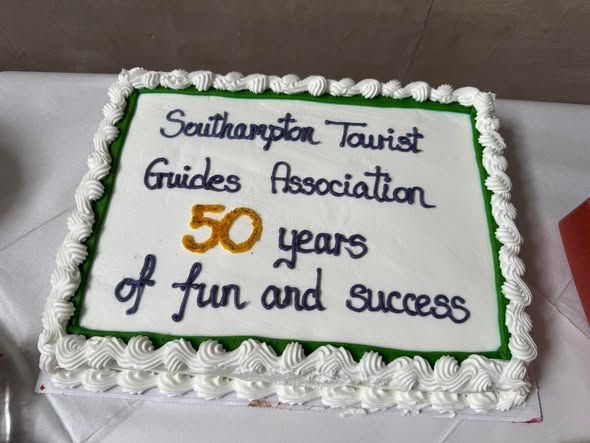
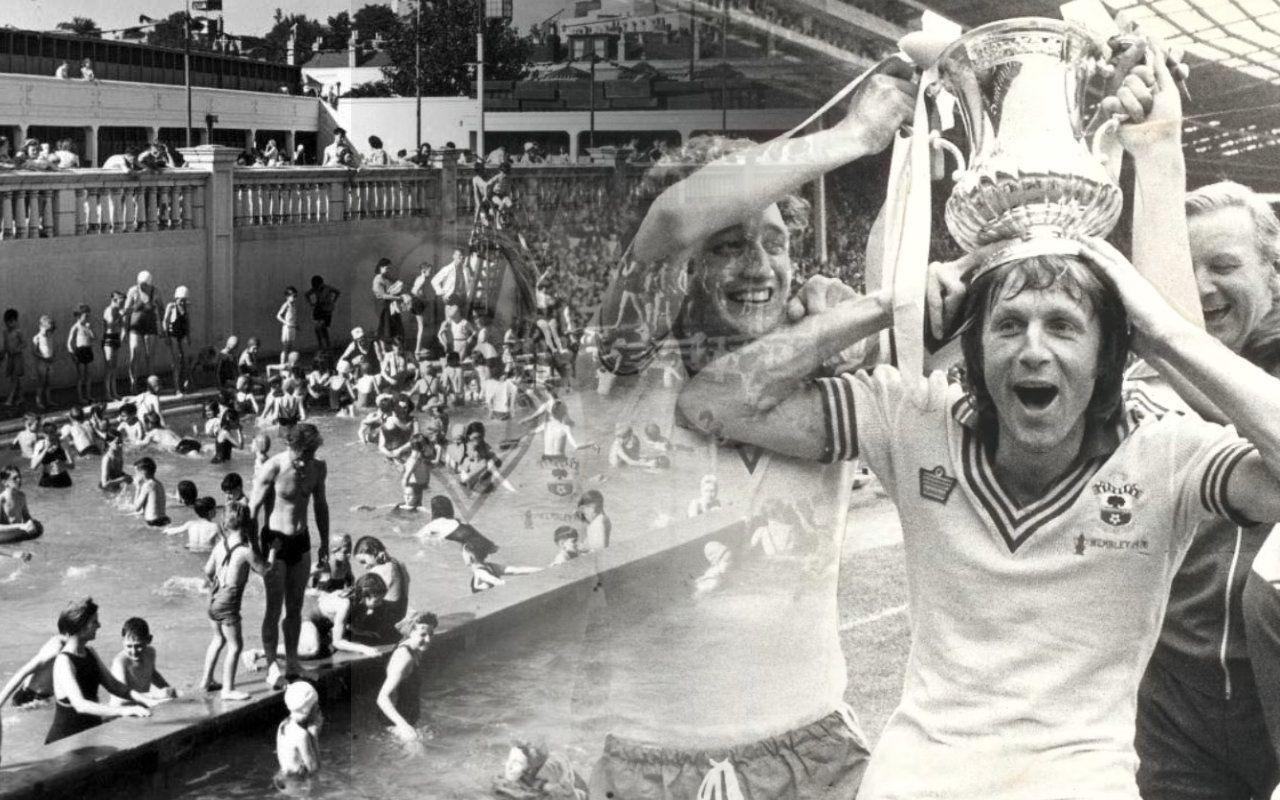
In 1976, Southampton was a city in the middle of change. Old ways of life were starting to fade, while new ideas and developments were taking their place. Industry was still strong, transport was being modernised, and the docks were adapting to a changing world. It was also the year the Southampton Tourist Guides Association was set up, showing that even as the city moved forward, people were beginning to see the importance of holding on to its past and explaining it to others. It was a year that gave the city plenty to be proud of. Against all the odds, Southampton Football Club won the FA Cup, beating Manchester United at Wembley. It was a huge moment, and the celebrations spread right across the city, bringing people together in a way few events ever do. Everyday life had its own soundtrack in 1976. Songs like Save Your Kisses for Me by Brotherhood of Man were everywhere after their Eurovision win, and Don’t Go Breaking My Heart by Elton John and Kiki Dee seemed to be playing nonstop. You’d hear them in workplaces, cafés, pubs, and on the radio in cars stuck in traffic. The most popular film was Jaws, and one episode of The Sweeney attracted 20 million viewers. There were only three TV channels BBC1, BBC2, and ITV, with 50% of sets black and white. Southampton was still very much a working city. Big employers such as Vosper Thornycroft, Ford, BAT, Mullards, Dimplex, Solent Carpets, AC Delco, Standard Telephone & Cables, and Pirelli provided jobs for thousands of local people. The old power station on the western side of the city was undergoing demolition. It was symbolic as heavy industry across the country was beginning to decline. Most manual workers clocked-in and clocked-out of work, earned around £65 per week for 42 hours, and were paid in cash at the end of the week in a pay packet. In 1976 official inflation was running at 16%. A three-bed semi cost around £11,000, and around 30% of homes in Southampton were council houses. Getting around the city was changing too. Major road works were under way, including the early stages of the Mountbatten Way western approach road. At the same time, the Itchen Bridge was taking shape above the river. Watching it rise was impressive, and it felt like a sign that Southampton was stepping into a more modern future. Life around the docks was also changing. Southampton was still known for ocean liners, but it was clear that the old days were coming to an end. Ships like the Pendennis Castle and Edinburgh Castle made their final journeys, watched by dock workers and onlookers who knew they were seeing the end of an era. Even so, ships like the QE2 and the Canberra kept some of that sense of grandeur alive. The opening of the container docks showed where the future really lay, with global trade becoming more important than passenger travel. Cross-Channel ferries were still busy in 1976, running from Princess Alexandra Dock, later known as Ocean Village. Services to France were a normal part of daily port life, even though some longer routes to Lisbon and Tangiers had ended the year before. There was also more competition, especially after Portsmouth opened its new ferry port. When work was done, people knew how to enjoy themselves. Nightlife in Southampton was thriving, with places like the Top Rank Suite standing out. Its revolving stage, and balcony overlooking the packed dance floor made it a favourite spot for nights out, and it attracted big-name acts as well as local crowds. Dancing at the Royal Pier was also popular, offering entertainment right by the water and continuing a long tradition of seaside leisure. Southampton was the regional shopping centre with major department stores, Tyrell and Green, Plummers, Debenhams, Owen Owen, Bourne & Hollingsworth and Marks & Spencer. Other stores included the British Home Stores, the Co-op, Woolworths, and Chelsea Girl. The summer of 1976 is still remembered for the heat. The long heatwave and drought brought weeks of sunshine, dry parks, and water restrictions. Southampton Lido was busier than ever as people tried to cool off, and it became a real meeting place that summer, even though it would close not long after. Looking back, Southampton in 1976 was a city full of contrasts. There was still plenty of industry, but closures were on the horizon. Old liners were disappearing as container ships took over. It was a year of great weather, memorable music, and big changes. Now, fifty years on, the founding of the Southampton Tourist Guides Association that year feels especially important. It began at a time when the city was changing fast, and for half a century it has helped people understand Southampton’s past and keep its stories alive for future generations.